Shenzhen Ruishuo Metal Co., Ltd. — ISO 9001 & IATF 16949 Certified
chinarswj@shieldingcover.com

5G & WiFi Module High-Frequency Shielding Solutions

Expert in 5G NR, WiFi 6E/7, and mmWave module high-frequency shielding cans. Optimized design for 28/39GHz mmWave bands while maintaining thermal balance with carrier-grade reliability.

150+ 5G Projects
6GHz Band Optimized
Thermal Design
mmWave Certified
High-Frequency Challenges

mmWave Shielding Key Challenges

From 6GHz to mmWave, frequency increases complicate shielding design. How to balance high shielding efficiency with thermal management?

High-Frequency Insertion Loss Control

mmWave shielding can material and aperture design are critical. Any minor change in the shielding can increases insertion loss, affecting signal strength and data rates.

Thermal vs. Shielding Conflict

5G base station power amplifier chips generate significant heat. Shielding cans must maintain shielding efficiency (requiring tight sealing) while allowing heat dissipation. Poor thermal design causes chip overheating.

Precision Aperture Processing

mmWave shielding requires apertures within 0.5~2mm range with ±0.05mm precision—extremely demanding on stamping processes. Aperture tolerance exceedance prevents achieving shielding specifications.

Multi-Band Co-Existence Shielding

5G devices often need shielding multiple frequency bands (n77/n78/6GHz/mmWave). Each band requires coordinated optimization—not simple overlay.

Solutions

5G WiFi mmWave Shielding Solutions

Multi-Layer Shielding Frame

Dual-layer frame design with micro-pore ceramic inner layer and metal outer frame. Achieves ≥80dB@6GHz shielding efficiency while maintaining excellent thermal conductivity. Applied to base station power amplifier modules.

Thermally Conductive Shielding Can

Copper substrate layer plus shielding lid combination with thermal conductivity >400W/mK. Particularly suitable for high heat-density devices like power amplifiers, providing 60% thermal efficiency improvement versus standard cans.

Multi-Cavity mmWave Isolation

Internal multi-partition design achieving complete n77/n78/6GHz/mmWave isolation. Each cavity independently optimized to prevent cross-band interference. Applied to multi-frequency integrated devices.

Precision Through-Hole Shielding

For scenarios requiring signal connectors through shielding cans, employs precision through-hole design and conductive spacers to maintain ≥70dB shielding efficiency through the aperture with ±0.02mm aperture precision.

Technical Specifications

5G WiFi Shielding Can Performance Metrics

Frequency BandShielding EfficiencyInsertion Loss@6GHzThermal ConductivityRecommended Material
n77/n78 (3.5/3.7GHz)≥75dB<2dB50+ W/mKCopper/German Silver
WiFi 6 (5.15~6.7GHz)≥80dB<1.5dB100+ W/mKCopper
mmWave (28/39GHz)≥85dB<3dB200+ W/mKCopper/Gold
Multi-Band HybridEach Band ≥75dB<2.5dB100+ W/mKCopper Alloy
15 Years+
EMI Shielding Manufacturing Experience
1300+
Global Clients
3M Strokes/Day
Daily Production Capacity
100+ Sets/Month
Tooling Development Capability
Trusted By

Chosen by Global Leading Brands

Serving telecom, consumer electronics, automotive, medical and many other industries

ISO 9001 Certified
IATF 16949 Certified
ISO 14001 Certified
NDA Signed
Manufacturing Strength

Professional EMI Shielding Cover Manufacturing Base

20+ high-precision stamping presses, 20-member professional R&D team, 2-3 day fast delivery, providing full-process service from design to mass production
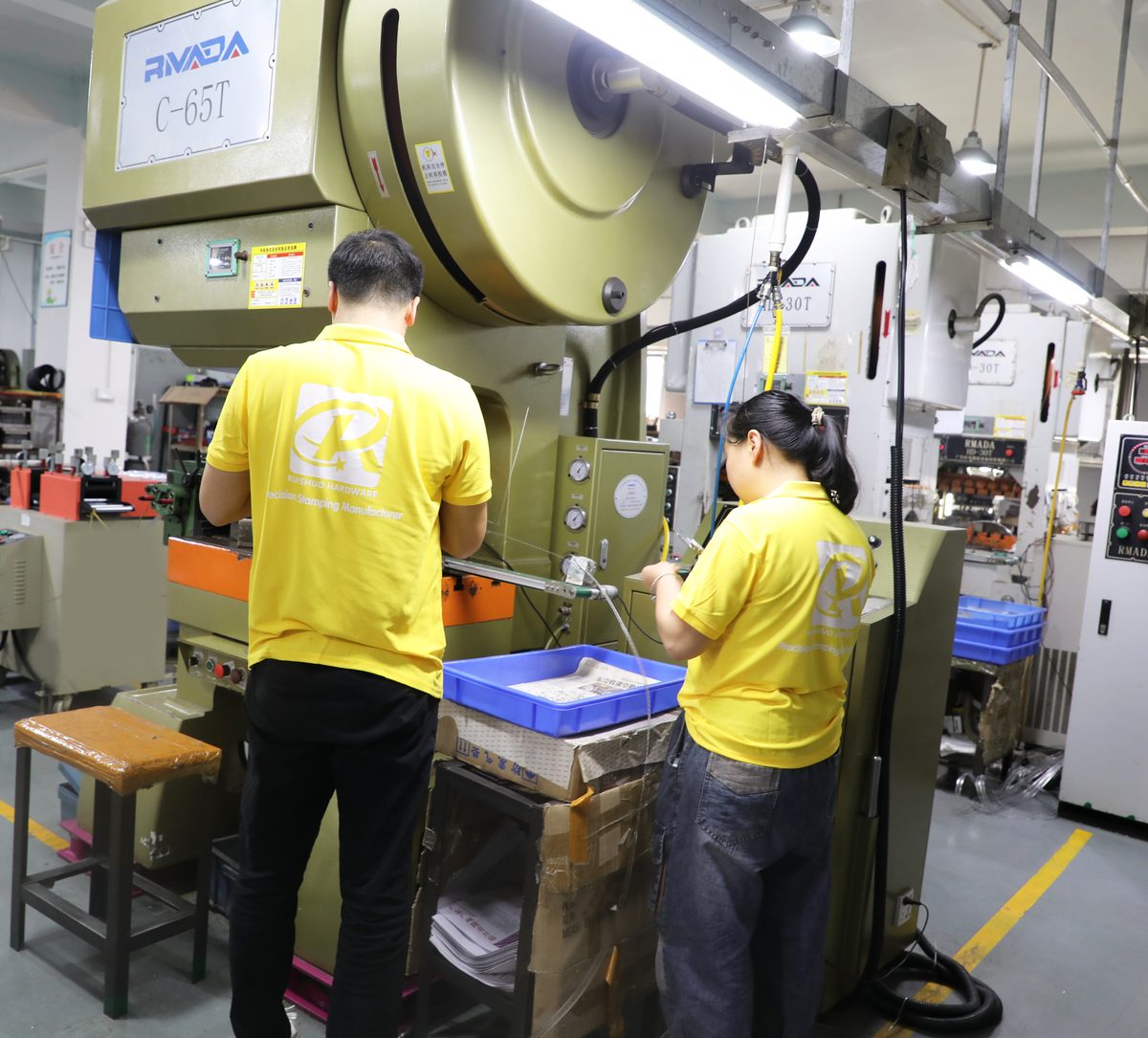
High-Precision Stamping Workshop Stamping Workshop

High-Precision Stamping Equipment

Equipped with 20+ high-speed precision stamping presses, with a daily stamping capacity of 3 million strokes and accuracy of ±0.01mm.

3M Strokes/Day ±0.01mm Precision
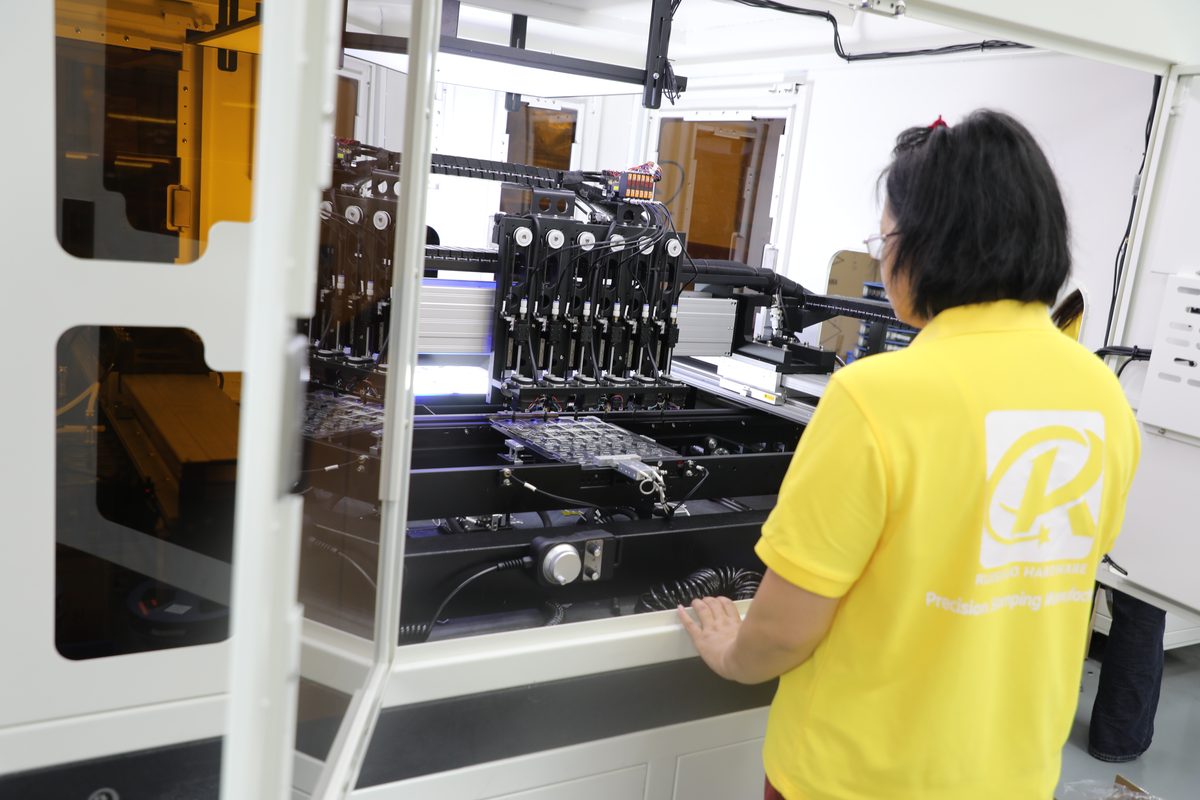
EMI Shielding Can Precision Stamping Manufacturing Tooling Center

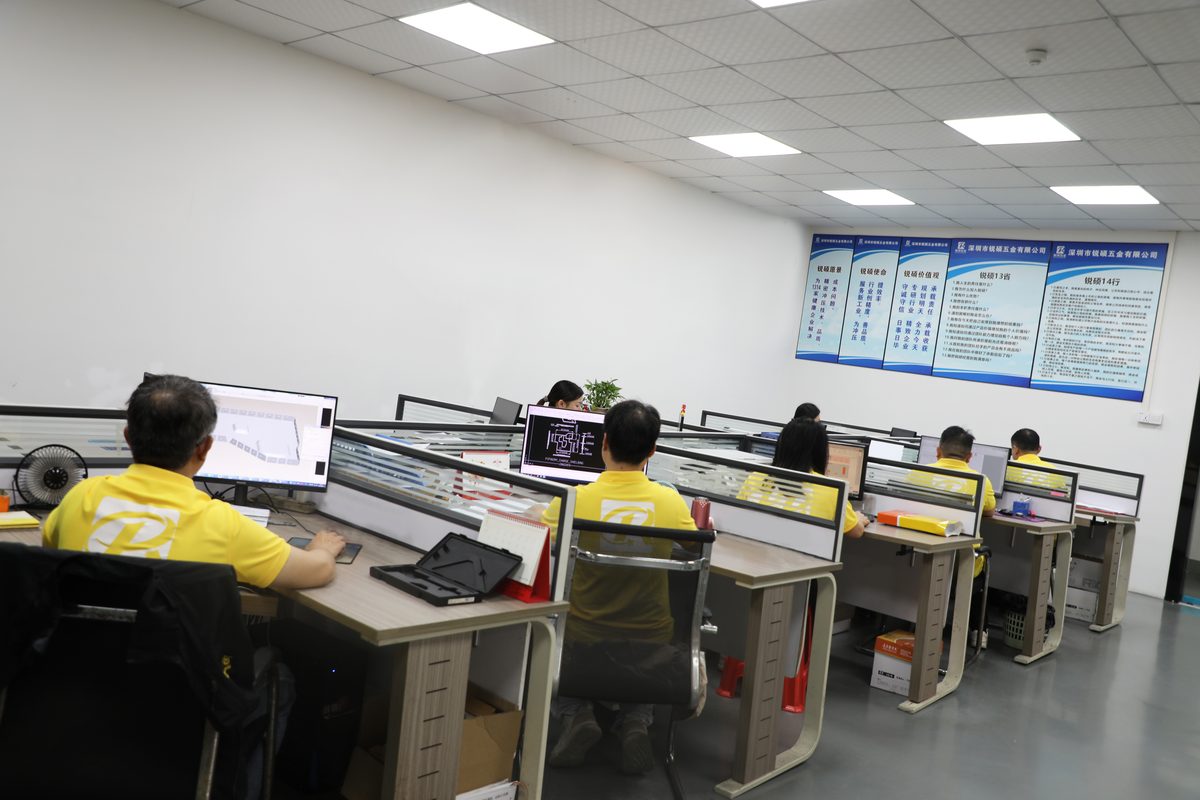
In-House Tooling R&D Center

20-member professional R&D team, producing 100+ sets of precision tooling per month, from drawings to finished products in as fast as 2-3 days.

20 R&D Engineers 100+ Sets/Month
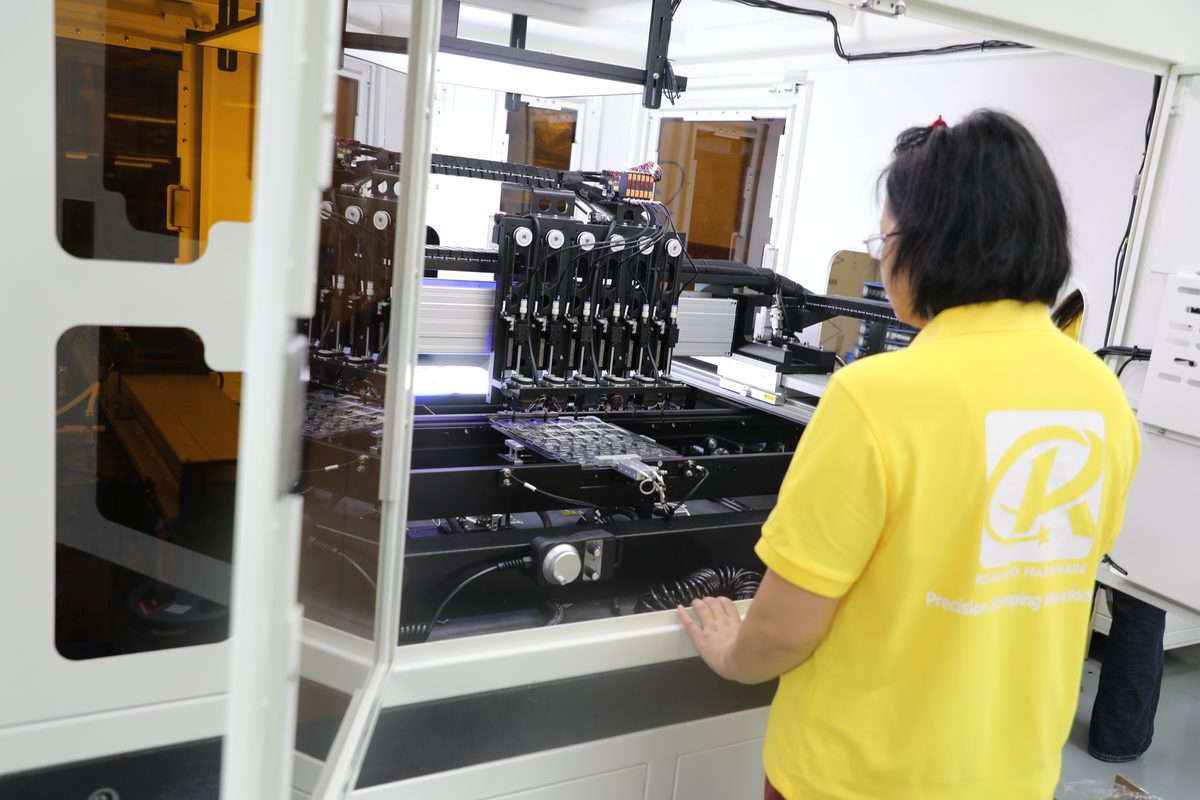
Quality Testing Laboratory Quality Lab

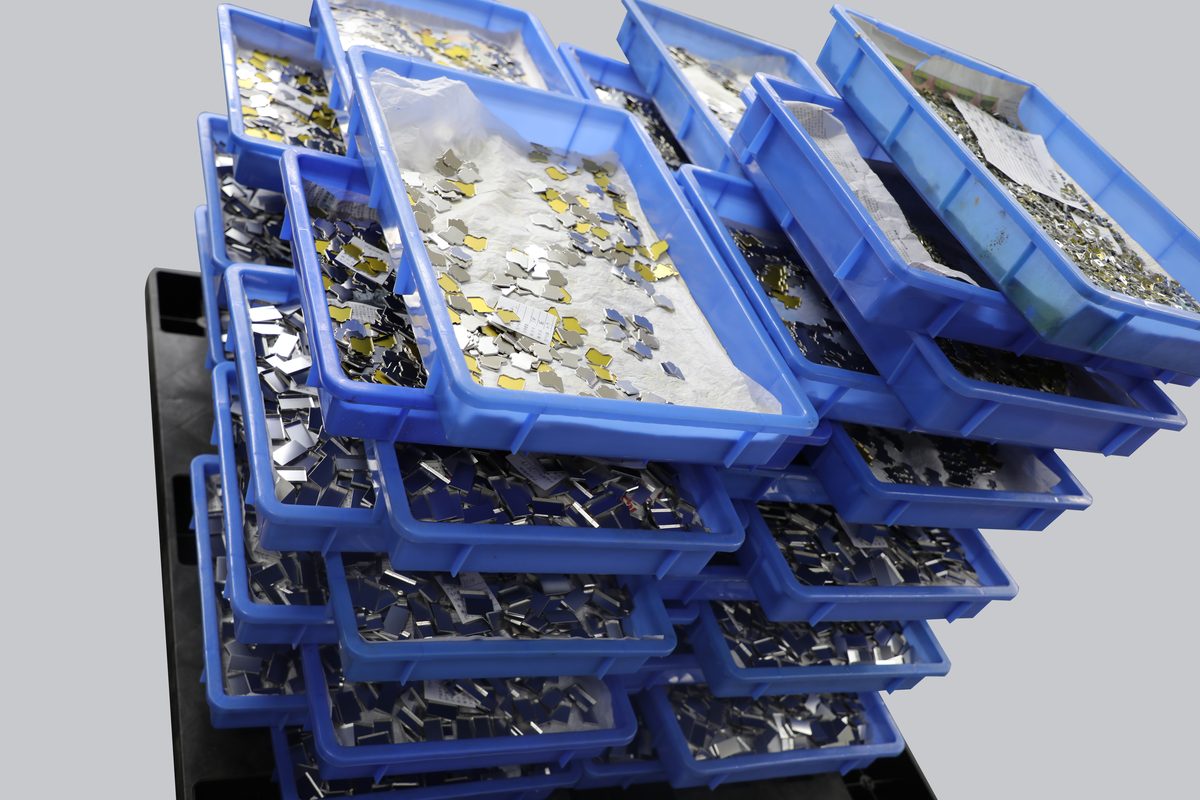
Full-Process Quality Control

Incoming inspection → In-process control → Final inspection → Shipping inspection, dual certified with ISO 9001 and IATF 16949.

ISO 9001 IATF 16949
5G Solutions Consultation

5G/WiFi Module
Shielding Challenges?

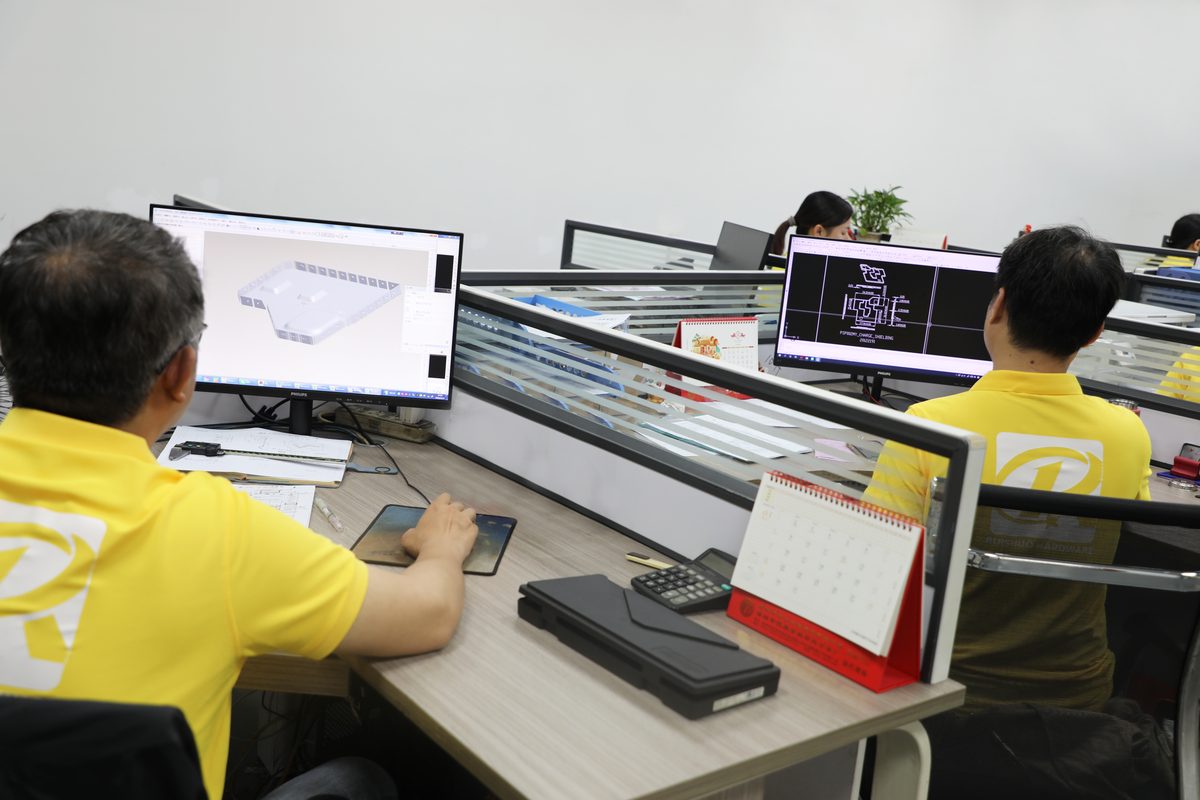
Our RF engineers have extensive mmWave shielding design experience. Based on your frequency band, power, and thermal requirements, we provide optimized shielding and thermal management solutions.

RF Experts
Simulation Verification
NDA Protection
High-Frequency Shielding Solutions
Tool Library
EMI Shielding Can Precision Stamping Manufacturing
EMI Shielding Can Deep Drawing Manufacturing Process
FAQ

5G Shielding Can Frequently Asked Questions

What’s the difference between mmWave and standard shielding?

Key differences for mmWave (28GHz+) shielding:

  • Material Selection: Requires pure copper or gold plating for ultra-high frequency conductivity;
  • Aperture Precision: mmWave apertures must be ±0.05mm or tighter—larger deviations significantly reduce efficiency;
  • Thermal Design: mmWave devices have high heat density; cans must balance thermal management;
  • Insertion Loss Control: mmWave sensitive to can quality; any burrs or defects impact performance;
  • Test Frequency: Testing must occur at actual operating frequencies.
How to find the right balance between shielding and thermal management?

Our solutions include:

  • Thermal Materials: Use high-thermal-conductivity copper base shielding cans with 200+ W/mK conductivity;
  • Aperture Design: Design thermal vents without compromising shielding efficiency;
  • Layered Structure: Dual-layer frames or shielding-can plus thermal-pad combinations;
  • Modular Design: For concentrated heat regions, enhance thermal management in that area specifically;
  • Thermal Simulation: Use thermal simulation tools to predict temperature distribution and optimize design.
What’s the difference between 5G base station and smartphone shielding cans?

Base Station Shielding Characteristics:

  • High power (10-50W) requiring excellent thermal management;
  • Multiple frequency bands (n77/n78/FR2 hybrid) needing multi-band optimization;
  • Larger size, extremely high reliability (no rework);
  • Operating temperature range -40~85℃ requiring wide temperature design.

Smartphone Shielding Characteristics:

  • Low power (<1W) with minimal thermal stress;
  • Relatively single frequency band with simplified design;
  • Extremely small size (5~30mm) requiring ultra-slim design;
  • Reworkable with thermal management flexibility.
Are mmWave shielding can costs very high?

mmWave shielding can cost components:

  • Material Cost: Copper material increases 30~50% cost but significantly improves performance;
  • Process Cost: Precision aperture processing increases complexity, but bulk production amortizes;
  • Testing Cost: Requires shielding efficiency testing at actual frequencies, adding verification expense;
  • Optimized Options: We offer copper+stainless-steel hybrid solutions reducing copper-only costs by 20~30%.

Overall, mmWave can costs increase 30~80% versus standard cans, but represent only 1~3% of base station BOM—quite manageable.

Do shielding cans impact antenna performance?

Key consideration point:

  • Aperture Impact: Can apertures (especially mmWave) affect antenna radiation patterns—needs co-design;
  • Simulation Verification: Sample phase must include antenna radiation pattern testing to ensure specification compliance;
  • Position Optimization: Typically cans placed on chip side, not directly adjacent to antenna—impact controllable;
  • Design Coordination: We recommend can and antenna designs proceed simultaneously with electromagnetic simulation verification.

With proper design, can impact on antenna performance is negligible.