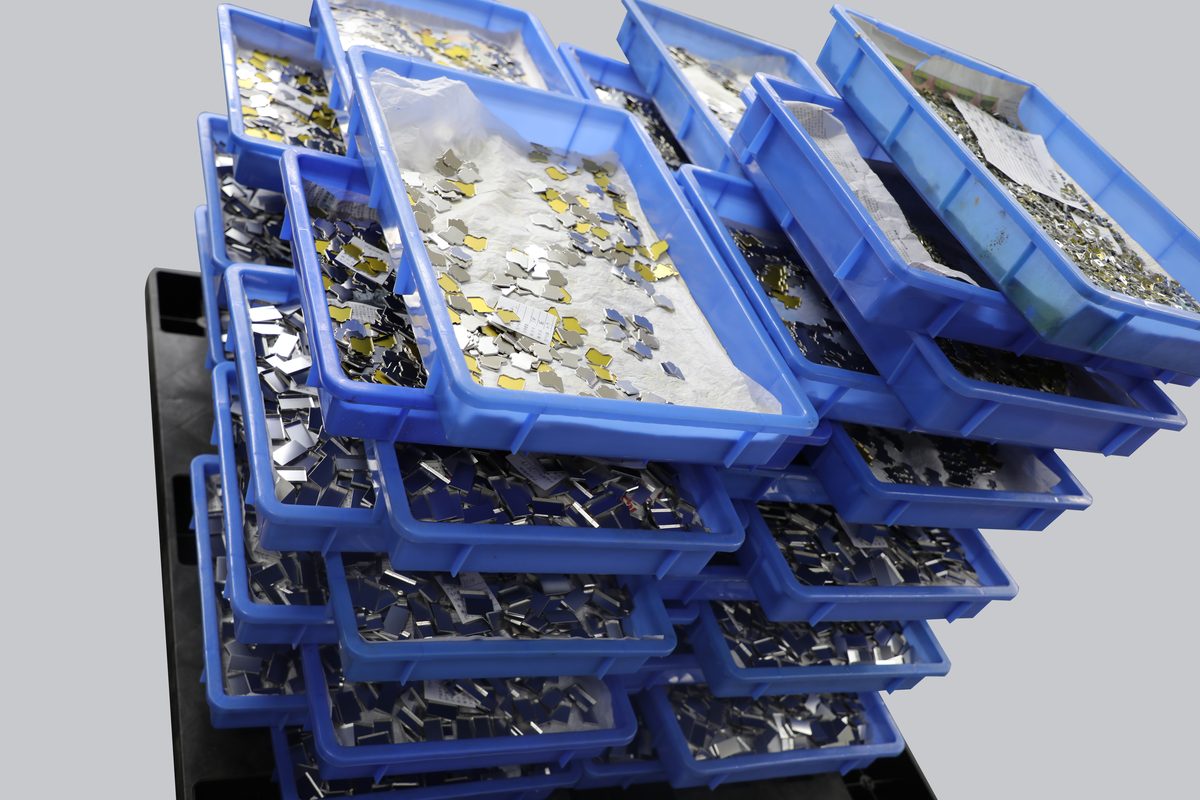
Expert in 5G NR, WiFi 6E/7, and mmWave module high-frequency shielding cans. Optimized design for 28/39GHz mmWave bands while maintaining thermal balance with carrier-grade reliability.
From 6GHz to mmWave, frequency increases complicate shielding design. How to balance high shielding efficiency with thermal management?
mmWave shielding can material and aperture design are critical. Any minor change in the shielding can increases insertion loss, affecting signal strength and data rates.
5G base station power amplifier chips generate significant heat. Shielding cans must maintain shielding efficiency (requiring tight sealing) while allowing heat dissipation. Poor thermal design causes chip overheating.
mmWave shielding requires apertures within 0.5~2mm range with ±0.05mm precision—extremely demanding on stamping processes. Aperture tolerance exceedance prevents achieving shielding specifications.
5G devices often need shielding multiple frequency bands (n77/n78/6GHz/mmWave). Each band requires coordinated optimization—not simple overlay.
Dual-layer frame design with micro-pore ceramic inner layer and metal outer frame. Achieves ≥80dB@6GHz shielding efficiency while maintaining excellent thermal conductivity. Applied to base station power amplifier modules.
Copper substrate layer plus shielding lid combination with thermal conductivity >400W/mK. Particularly suitable for high heat-density devices like power amplifiers, providing 60% thermal efficiency improvement versus standard cans.
Internal multi-partition design achieving complete n77/n78/6GHz/mmWave isolation. Each cavity independently optimized to prevent cross-band interference. Applied to multi-frequency integrated devices.
For scenarios requiring signal connectors through shielding cans, employs precision through-hole design and conductive spacers to maintain ≥70dB shielding efficiency through the aperture with ±0.02mm aperture precision.
| Frequency Band | Shielding Efficiency | Insertion Loss@6GHz | Thermal Conductivity | Recommended Material |
|---|---|---|---|---|
| n77/n78 (3.5/3.7GHz) | ≥75dB | <2dB | 50+ W/mK | Copper/German Silver |
| WiFi 6 (5.15~6.7GHz) | ≥80dB | <1.5dB | 100+ W/mK | Copper |
| mmWave (28/39GHz) | ≥85dB | <3dB | 200+ W/mK | Copper/Gold |
| Multi-Band Hybrid | Each Band ≥75dB | <2.5dB | 100+ W/mK | Copper Alloy |
Serving telecom, consumer electronics, automotive, medical and many other industries
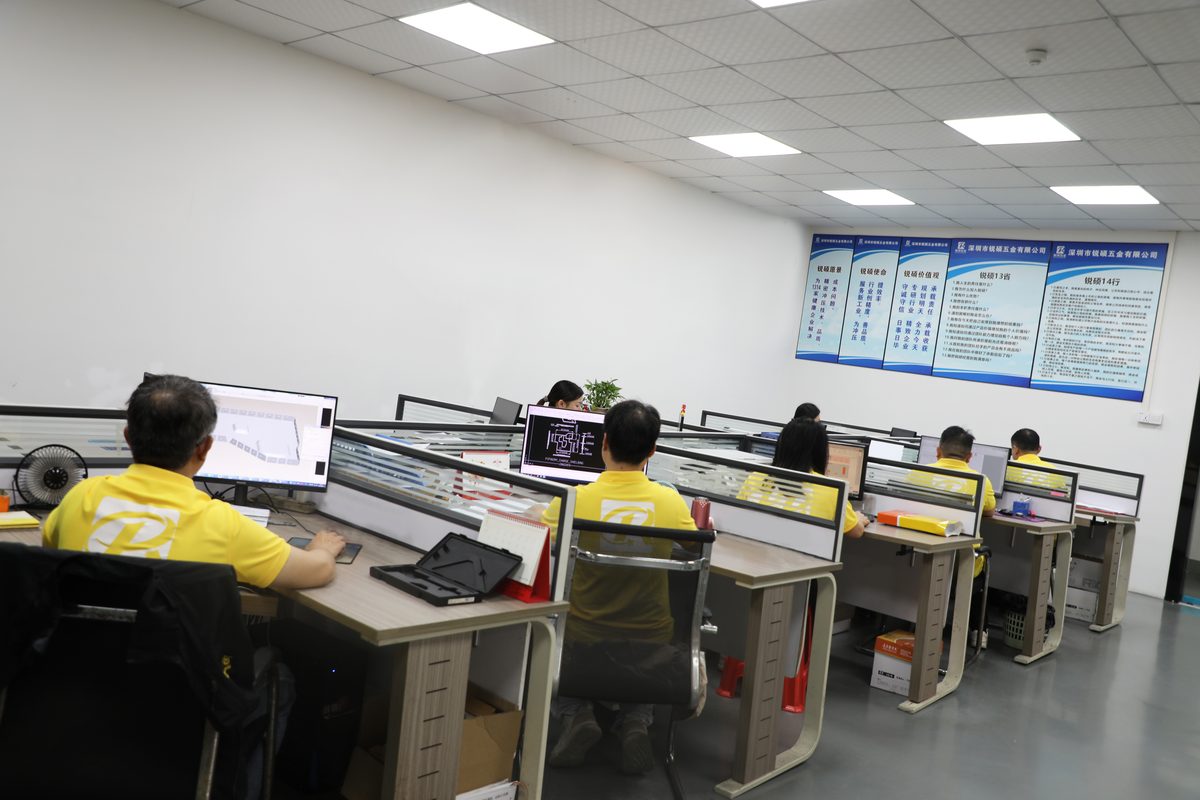
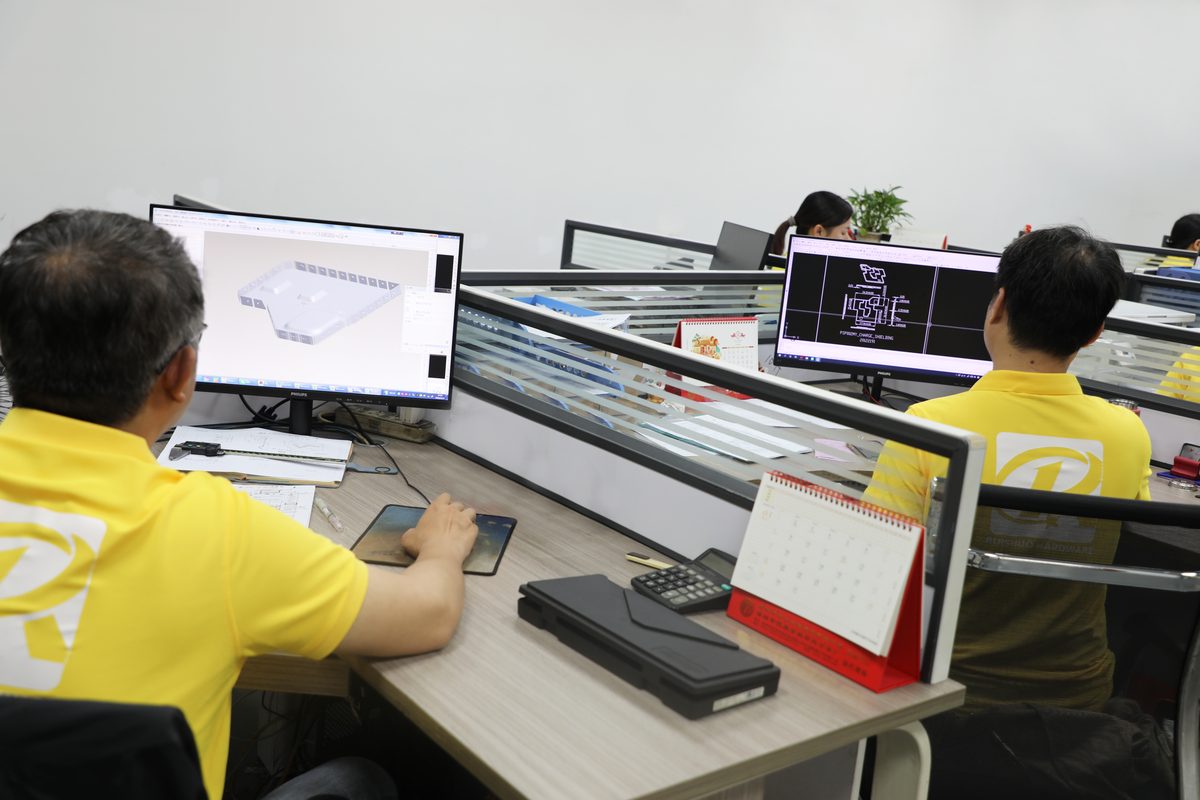
20+ high-precision stamping presses, 20-member professional R&D team, 2-3 day fast delivery, providing full-process service from design to mass production
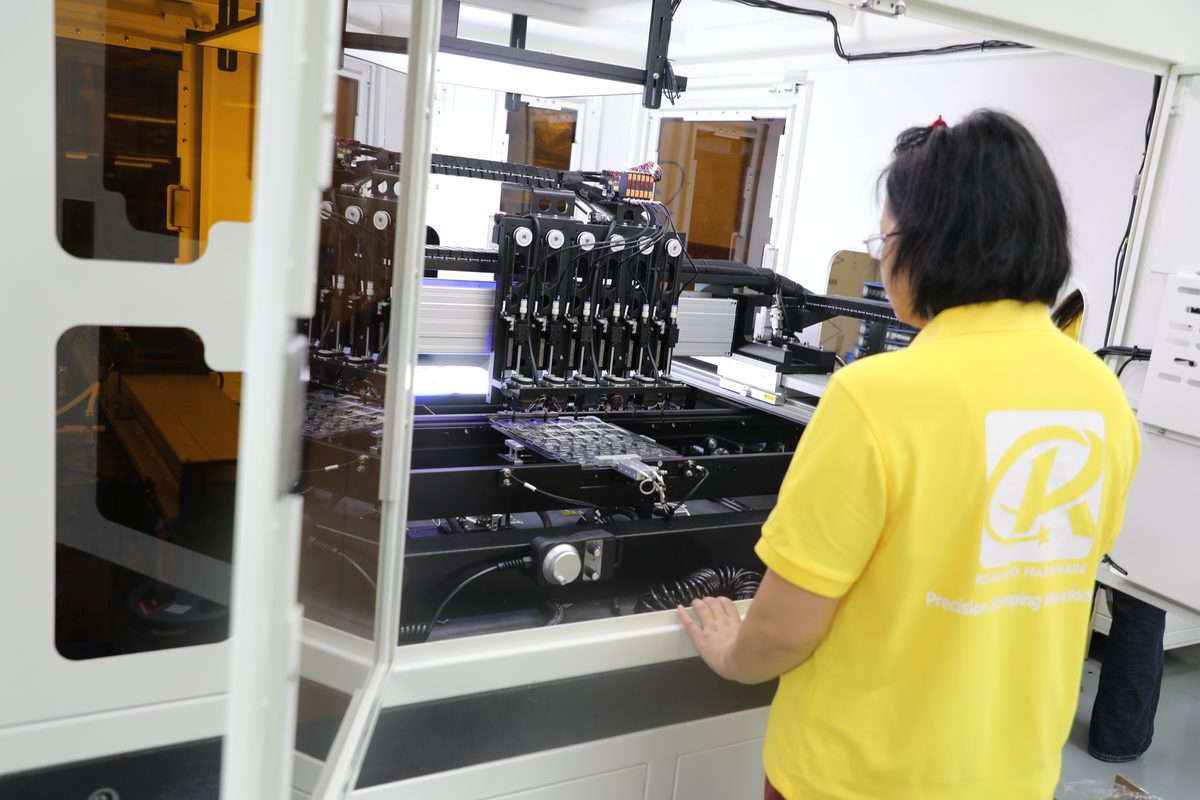
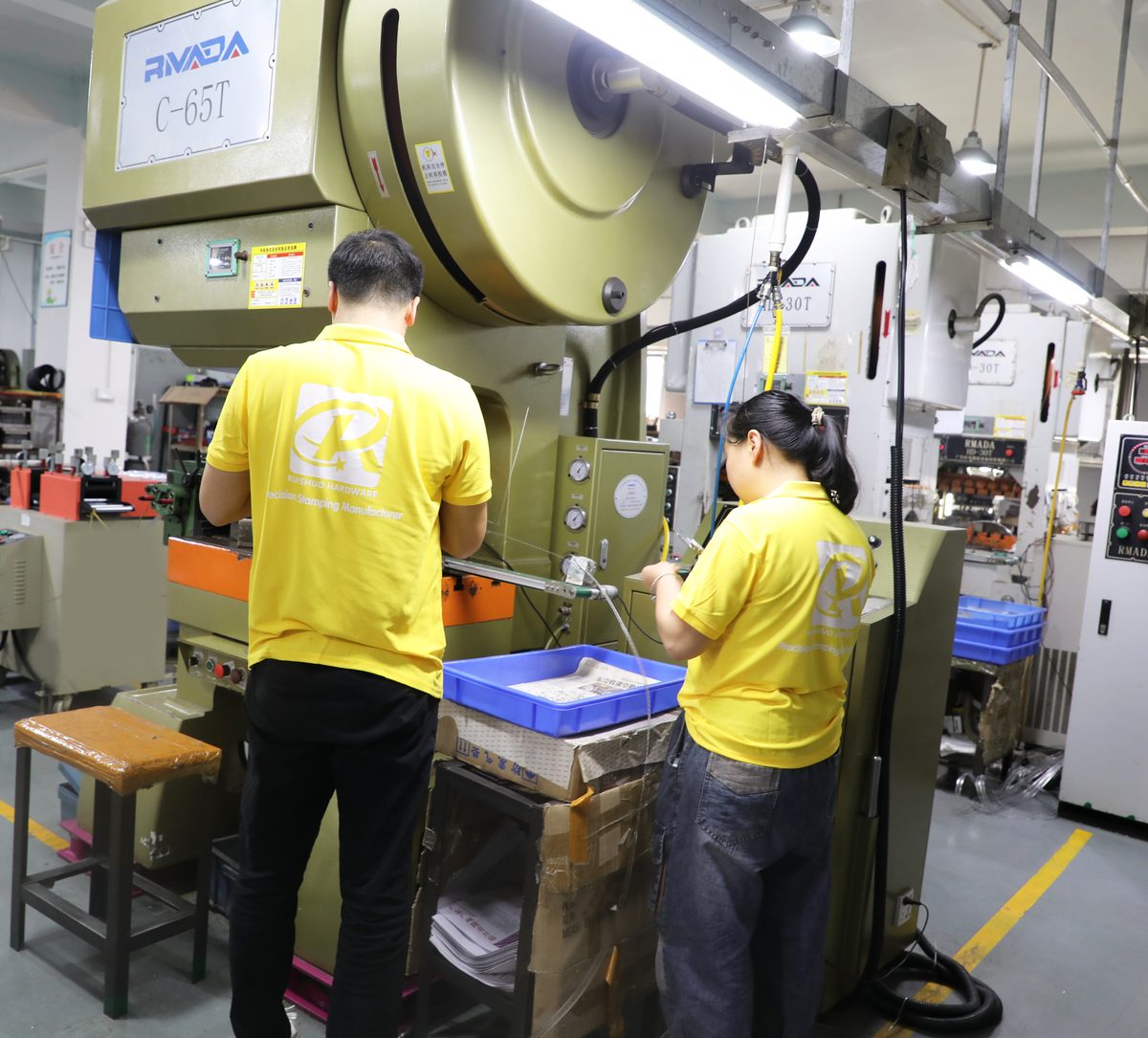
Stamping Workshop
Equipped with 20+ high-speed precision stamping presses, with a daily stamping capacity of 3 million strokes and accuracy of ±0.01mm.
Tooling Center
20-member professional R&D team, producing 100+ sets of precision tooling per month, from drawings to finished products in as fast as 2-3 days.
Quality Lab
Incoming inspection → In-process control → Final inspection → Shipping inspection, dual certified with ISO 9001 and IATF 16949.
Our RF engineers have extensive mmWave shielding design experience. Based on your frequency band, power, and thermal requirements, we provide optimized shielding and thermal management solutions.


Key differences for mmWave (28GHz+) shielding:
Our solutions include:
Base Station Shielding Characteristics:
Smartphone Shielding Characteristics:
mmWave shielding can cost components:
Overall, mmWave can costs increase 30~80% versus standard cans, but represent only 1~3% of base station BOM—quite manageable.
Key consideration point:
With proper design, can impact on antenna performance is negligible.